New Construction vs. Existing Homes in Clarksville, TN: Which Is Right for You? (2026 Complete Guide)
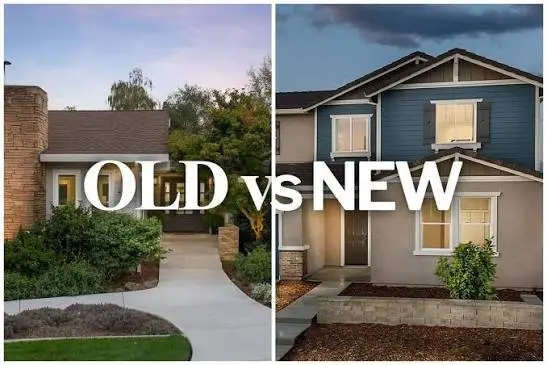
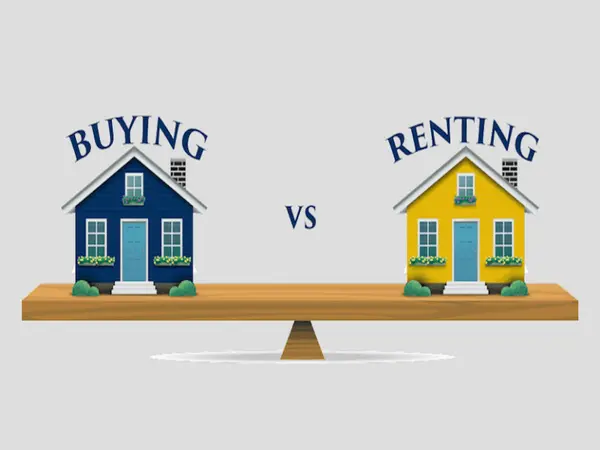
Clarksville buyers face a choice that most markets in Tennessee don't offer at the same scale: a genuinely deep selection of new construction and a large, well-priced inventory of established resale homes — at the same time, in the same market.
In most mid-size cities, you either live in a building market with mostly new inventory, or an established market with mostly resale. Clarksville in 2026 has both in abundance. That's a good problem to have. But it means you actually have to make a decision, and the answer isn't the same for every buyer.
I've helped buyers go both directions — and I've watched buyers pick wrong because they didn't fully understand the tradeoffs. This guide lays it all out honestly: the real numbers, the specific issues I see in Clarksville inspections, how builder incentives actually work, what the timing differences mean for military buyers, and exactly who should lean toward each path.
Table of Contents
- The Big Picture: How New Construction and Resale Compare Right Now
- New Construction in Clarksville: Where It's Happening and What It Costs
- The Real Pros of Buying New Construction
- The Honest Cons of New Construction — Including What Builders Don't Tell You
- Builder Incentives: What's Real, What's Marketing, and How to Negotiate
- Existing Homes in Clarksville: What You Actually Get for Your Money
- The Real Pros of Buying an Existing Home
- The Honest Cons of Resale Homes — Including the Clarksville-Specific Issues
- The Timeline Question: A Critical Factor for Military Buyers
- Side-by-Side: Which Type of Home Fits Your Situation?
1. The Big Picture: How New Construction and Resale Compare Right Now
Something historically unusual happened in the national housing market in 2024 that carried into 2026 and it matters directly to buyers here: new construction homes became cheaper than existing homes at the national median level for the first time in modern record.
According to data from the U.S. Census Bureau and the National Association of Realtors, the median price of a new single-family home in Q1 2026 was $403,200 — roughly $1,400 less than the median existing home price of $404,600. That's the fourth consecutive quarter in which existing home prices have exceeded new home prices nationally.
Why? Two forces colliding. Builders have been aggressive — cutting prices, funding rate buydowns, and offering incentive packages to move inventory. Meanwhile, existing homeowners who locked in 3–4% mortgage rates during 2020–2022 are staying put, keeping resale inventory tight and prices elevated even in a slower market.
In Clarksville specifically, the picture plays out like this: new construction runs from roughly $252,990 to $627,990 across 7 active builders and 30+ communities, per NewHomeSource data as of 2026. Resale homes in the same market are ranging from roughly $230,000 to $500,000+, with the overall market median in the $308,000–$325,000 range. At the mid-range and above, you're often comparing similar prices — which means the real decision isn't about cost, it's about everything else.
2. New Construction in Clarksville: Where It's Happening and What It Costs
New construction in Clarksville isn't evenly distributed across the city — it's concentrated in specific corridors, and knowing where it is matters for understanding what you're getting.
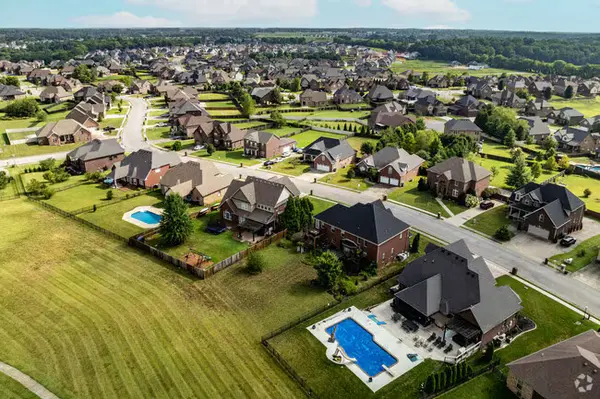
Rossview / East 37043: The most active new construction zone in the city right now. Communities like Ross Farms are offering homes from the mid-$300s with resort-style amenities (pool, fitness center, walking trails) and access to the Rossview school cluster. This is the epicenter of builder activity in 2025–2026.
North Clarksville (37042): Strong new construction aimed at military families — modern floor plans, master-planned communities, competitive price points in the $270,000–$375,000 range. Shorter commute to Fort Campbell gates than Rossview.
Sango (37043): Higher-end new construction, including developments like Holland Park West (built by local builder Krueckeberg Exclusive Homes) and communities in the Farmington and Savannah Lakes area. Prices here run $350,000–$628,000 depending on size and finish level.
Price-per-square-foot reality: In Clarksville's new construction market, you're typically paying $160–$210/sq ft depending on builder, location, and finish level. Comparable resale homes can often be found at $140–$175/sq ft — meaning new construction does carry a modest price-per-square-foot premium, even in 2026.
3. The Real Pros of Buying New Construction
No deferred maintenance — none. This is the single biggest practical advantage of a new home and it's more significant than most buyers appreciate until they experience the alternative. Every system is new: roof, HVAC, water heater, electrical, plumbing. You won't replace a water heater six months after moving in. You won't deal with a 15-year-old HVAC unit on its last legs in July. You won't discover that the previous owners skipped five years of crawlspace maintenance. That peace of mind has real dollar value.
Builder warranties provide meaningful protection. Most new homes in Clarksville come with a 1-year workmanship warranty, 2-year systems warranty (mechanical, electrical, plumbing), and a 10-year structural warranty. When something goes wrong in year two, you're not writing a check — you're making a call to the builder. After spending 20+ years watching buyers deal with surprise repair bills, I do not underestimate this.
Energy efficiency is dramatically better. Homes built to 2025–2026 building codes are approximately 20–30% more energy efficient than the average resale home, and significantly more efficient than anything built before 2000. According to ENERGY STAR data, certified new homes save $400–$600 per year on utility bills compared to typical resale properties — and that number is higher when you're comparing against a 1990s or early 2000s home with original systems. In a climate like Clarksville's — hot, humid summers with HVAC running hard — this gap adds up fast.
You choose your finishes and floor plan. Buying early in a community means selecting your own flooring, countertops, cabinets, fixtures, and sometimes structural options. You're not inheriting someone else's renovation choices or their taste in flooring from 2009.
Modern floor plans fit modern life. Open-concept living, dedicated home office space, primary suites with functional storage — new construction is designed around how people actually live now. Many resale homes, especially those built before 2005, have compartmentalized layouts that feel dated to today's buyers.
One NAHB analysis found that even when a buyer pays roughly 23% more upfront for a new home, their first-year total housing costs can equal those of an older home — because lower maintenance, lower utilities, and lower insurance costs offset the higher mortgage payment. The sticker price isn't the whole story.
4. The Honest Cons of New Construction — Including What Builders Don't Tell You
The lot situation is real. This is the tradeoff that surprises buyers most after they move in. New construction in Clarksville typically comes with smaller lots — sometimes as small as 6,000–8,000 sq ft — with little to no mature landscaping and no tree coverage. If you buy in a phase-one subdivision that's still being built out, you might be looking at construction equipment, dirt lots, and a temporary road for 12–18 months. That's not a dealbreaker, but it's something to think about honestly.
Build timelines create real problems for specific buyers. Standard production homes in Clarksville are taking 6–9 months from contract to closing on built-to-order homes. Quick move-in inventory (homes already framed or near completion) closes faster — sometimes 30–60 days — but you get less choice on finishes. For military buyers on PCS orders with a report date, a 6-month build timeline can be impossible to work around. I'll address this more directly in the timeline section.
The builder's agent works for the builder. This is the one that costs buyers real money and they don't even realize it until later. The sales agent in that model home is compensated by the builder, trained by the builder, and has one goal: protect the builder's interests. They are not your advocate. Bringing your own buyer's agent to a new construction transaction costs you nothing — builders bake agent commission into the base price regardless — and gives you someone whose job is to protect you: reviewing the purchase contract, negotiating on your behalf, flagging issues during the build, and watching the closing disclosure for unexpected charges.
I've represented buyers in new construction transactions where we negotiated additional incentives, caught contract language that would have cost the buyer thousands, and identified quality issues during framing walkthroughs before they were covered by drywall. None of that happens when you walk into a model home alone.
HOA fees add to your monthly costs. Most new construction communities in Clarksville have HOAs — running anywhere from $300 to $1,200+ annually — to maintain common areas, amenities, and community standards. Factor this into your monthly budget; it's not in the builder's headline numbers.
The "upgrade trap" is real. Builders price base homes attractively, then make their margin on the design center. That base price doesn't include the flooring shown in the model, the quartz countertops, the upgraded trim package, or the extended garage. By the time buyers finish their design center appointment, they've added $15,000–$40,000 to the purchase price — sometimes more. Go in with a firm budget ceiling and know what's structural (worth paying for) vs. cosmetic (can be added later).
5. Builder Incentives: What's Real, What's Marketing, and How to Negotiate
Builder incentives in 2026 are at multi-year highs. According to the National Association of Home Builders, 64% of builders nationally offered sales incentives in 2025, with rate buydowns being the most common tool.
Here's what's actually available in the Clarksville market right now — and what to understand about each:
Rate Buydowns (the most common incentive) Builders fund a temporary 2-1 buydown (Year 1 rate ~4.5%, Year 2 ~5.5%, then contract rate for the remaining term) or a permanent rate reduction through bulk mortgage commitments. On a $340,000 home, a 2-1 buydown typically saves $300–$400/month in Year 1 and $150–$200/month in Year 2. That's real money.
The catch: most builders tie rate buydowns to their preferred lender. That preferred lender may or may not offer the most competitive base rate. Always compare the builder's preferred lender package against an outside VA or conventional quote before committing. Sometimes the buydown is generous; sometimes the base rate is elevated enough that the buydown just brings you back to market rate.
Closing Cost Credits $5,000–$15,000 in closing cost credits applied at closing are common, particularly in later phases of a subdivision where the builder is motivated to maintain sales velocity. This is often more valuable than a price reduction because it directly reduces your out-of-pocket cash to close.
Appliance Packages and Design Credits Builders frequently include refrigerators, washer/dryer packages, or design center credits ($5,000–$10,000) on inventory homes. These can be genuinely valuable — or they can be the builder choosing their cheapest appliance package and calling it a $5,000 incentive. Ask for a specific dollar value of the appliance package or a credit you can apply elsewhere.
Phase timing matters most. The best incentives appear at two points: when a community first opens (to generate early momentum) and in the later phases when the builder is trying to clear remaining lots before moving to the next project. Mid-phase inventory in a healthy-selling community often has the least flexibility. If you have any timing flexibility, ask your agent which phase you're shopping in — it significantly affects your negotiating position.
6. Existing Homes in Clarksville: What You Actually Get for Your Money
Clarksville's resale market in 2026 gives buyers something new construction genuinely can't offer: established neighborhoods with known character, mature trees, larger lots, and pricing that often runs $15,000–$40,000 less than comparable new builds.
With the market sitting at roughly 3.95 months of supply and homes averaging 75–98 days on market, sellers in the resale category are more motivated to negotiate than at any point in the last four years. Price reductions have appeared on 42% of listings. That's leverage you don't have with a production builder.
Here's how the resale landscape breaks down in Clarksville:
St. Bethlehem and established 37043 zones: 1980s–2000s construction in the $275,000–$400,000 range. These homes typically have larger lots, mature landscaping, and established neighborhood character that new construction zones haven't had time to develop. Many have been updated in recent years but others are original condition — which creates negotiating opportunity.
North Clarksville resale (37042): A mix of 1990s–2010s construction in the $240,000–$340,000 range. These homes have gone through one or two cycles of military family ownership, so condition varies widely. Price depends heavily on how well they've been maintained.
Sango resale (37043): Larger established homes in the $350,000–$550,000 range. Sango resale buyers often get significantly more square footage and lot size than comparable new builds at the same price point.
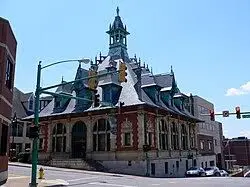
Downtown Clarksville: Historic homes (pre-1960 construction) with character that new builds cannot replicate — hardwood floors, craftsman details, mature trees — but with proportionally higher maintenance requirements.
7. The Real Pros of Buying an Existing Home
More square footage per dollar. This is one of the most consistent advantages I see in the Clarksville resale market. A 2,200 sq ft resale home in an established neighborhood will frequently price $20,000–$40,000 below a 1,900 sq ft new build in a similar zone. You're getting more house for your money, and often more lot too.
Established neighborhoods feel like neighborhoods. Mature trees provide shade in summer (which reduces cooling costs), privacy from adjacent homes, and aesthetic character that takes 15–20 years to develop. Resale neighborhoods in St. Bethlehem, Sango, and established North Clarksville zones have a settled quality that newly platted subdivisions simply don't have yet.
Faster closing — and that matters enormously for military buyers. A resale home can close in 30–45 days. If you have PCS orders with a report date, a lease expiration, or simply a timeline that doesn't accommodate a 6-month build window, resale is often the only realistic path.
More negotiating leverage in today's balanced market. An individual seller with a home sitting 60 days on the market is in a different negotiating position than a production builder with 40 lots to sell and a cash-flow model that doesn't depend on any single transaction. In the current market, I'm routinely negotiating $5,000–$15,000 in seller concessions toward closing costs, inspection repair credits, and price reductions on resale properties. Builders will negotiate too — but it's a different kind of conversation.
What you see is what you get. After a thorough home inspection, you know what you're buying. You know the age of every system. You know what the neighborhood looks, sounds, and feels like because it exists. That certainty has real value compared to buying off a floor plan in a subdivision that won't be built out for another two years.
8. The Honest Cons of Resale Homes — Including the Clarksville-Specific Issues
I want to be direct about what I see on a regular basis in Clarksville resale inspections, because this is where buyers can get caught off guard.
Crawlspace moisture is the most common significant issue in Middle Tennessee resale homes. This isn't just a Clarksville problem — it's a regional one driven by our climate. Tennessee's humidity levels, combined with the clay-heavy soil common in Montgomery County, creates conditions where crawlspaces accumulate moisture, vapor barriers degrade, and wood framing can develop moisture damage, fungal growth, and in serious cases, structural concerns.
A wet, poorly maintained crawlspace can cost $3,000–$15,000+ to properly remediate and encapsulate. That's a wide range because mild cases (add a vapor barrier, improve drainage) cost far less than cases where moisture has been present long enough to affect framing or insulation. The key is identifying it during inspection — not discovering it after you've owned the home for two years.
I tell every resale buyer: budget for a crawlspace-specific inspection as part of your due diligence. This is not always included in a standard inspection and is absolutely worth adding.
Aging HVAC systems are the second most common inspection concern. HVAC systems in Clarksville typically have a useful life of 12–15 years. Homes built in the early 2000s through the early 2010s often have original systems that are approaching or past that threshold. A full HVAC replacement — furnace, air handler, and condenser — runs $6,000–$12,000 depending on the home's size and system configuration. Knowing the age of the HVAC system before you make an offer changes your negotiating position.
What I do for every resale buyer: I ask the listing agent for the age of the HVAC system and water heater upfront, before the inspection. A 13-year-old HVAC in a $310,000 home is negotiating leverage — either a price reduction or a concession toward replacement.
Roofing: Standard asphalt shingle roofs have a 20–25 year lifespan. In Clarksville's climate — with significant UV exposure, storm activity, and humidity — roofs built in the early 2000s are approaching or in their replacement window. A full roof replacement runs $8,000–$20,000 depending on size, pitch, and materials.
Electrical panels in pre-2000 homes: Older homes may have electrical panels with known issues (certain breaker brands that have recall histories), undersized service, or wiring configurations that don't meet modern code. Panel replacement typically runs $1,500–$3,500. This isn't always a dealbreaker, but it's something to budget for.
The realistic deferred maintenance budget: For a resale home built in the 1990s or early 2000s in Clarksville, plan for $3,000–$8,000 in near-term maintenance costs over your first 2–3 years of ownership — if the inspection doesn't surface a major issue. If it does surface something significant (HVAC, crawlspace, roof), budget accordingly and negotiate accordingly.
None of this should scare you off resale homes. The right inspection, the right agent, and proper due diligence make these issues manageable and often negotiable. But going in eyes-open is different from being surprised at closing or three months after.
9. The Timeline Question: A Critical Factor for Military Buyers
For most civilian buyers, the new construction vs. resale timeline question is a preference. For military buyers, it can be a hard constraint.
Here's the reality:
PCS with a fixed report date: If you have orders to Fort Campbell with a report date 60–90 days out, a built-to-order new construction home is almost certainly off the table. Your only realistic options are resale or a new construction quick move-in (QMI) — inventory homes that are already framed, under roof, and approaching completion. QMIs can sometimes close in 30–60 days. Ask your agent to specifically filter for QMI inventory if timeline is the constraint.
Lease expiration: Similar dynamic. If your lease is ending and you need a place to live, a 6-month build timeline has no realistic overlap. Either extend the lease, rent month-to-month, or target resale or QMI inventory.
You have flexibility on timing: If you're stationed here long-term, not PCSing imminently, or buying ahead of orders to get set up before a report date 9+ months out, new construction is absolutely viable. Some buyers buy early in a build with the explicit plan of closing after the home is finished, sometimes using short-term housing (on-post, extended stay, or a short lease) to bridge the gap.
One more consideration for military buyers: If you use a VA loan on new construction, the VA appraisal process has specific requirements and timelines on new builds that can add complexity. Work with an agent and lender who have done this before — it's not difficult, but it requires experience.
10. Side-by-Side: Which Type of Home Fits Your Situation?
Rather than a generic pros-and-cons list, here's an honest decision framework based on what I've seen work for real Clarksville buyers:
Buy new construction if:
- You have a timeline of 9+ months before you need to occupy
- Avoiding near-term maintenance costs is your top priority (new systems, warranty protection)
- You value customizing finishes and floor plan over price-per-square-foot
- You want a community with planned amenities (pool, fitness center, walking trails)
- You're buying in the Rossview school zone and want modern construction in that zone
- Energy efficiency and lower utility bills are a significant factor in your budget
Buy a resale home if:
- You're on a PCS timeline with a hard report date within 90 days
- Your budget is tight and maximum square footage per dollar matters
- You want an established neighborhood with mature trees and lot size
- You're working in a price range where resale offers meaningfully more for the money
- You want a larger lot — especially important if you have pets, kids who play outside, or simply value privacy from neighbors
- You're a VA buyer using your benefit in a deal where seller concessions help you cover closing costs
The honest middle ground: In today's Clarksville market, for buyers with some timeline flexibility, a new construction QMI (quick move-in, near-completion inventory home) often hits the sweet spot. You get new construction's systems and warranty protection, builder incentives including rate buydowns and closing cost credits, and a closing timeline of 30–60 days that works for more buyers. I specifically search for and evaluate QMI inventory for buyers who ask.
One Thing I Can't Stress Enough
Whether you go new construction or resale: have your own representation.
If you walk into a builder's model home without an agent, you walk in without an advocate. The agent behind that desk has fiduciary duties to the builder. They are trained to protect the builder's margins and move inventory. They will not tell you when a contract clause is unfavorable to you, when you have negotiating leverage, or when a quality issue during the build warrants pushing back.
Bringing your own agent to a new construction transaction costs you nothing — builders price agent compensation into the base price regardless of whether you bring one. What it gets you: someone reviewing the purchase contract before you sign, sitting with you at the design center with a perspective on what's actually worth upgrading, walking the home at key stages of construction, and reviewing the closing disclosure for unexpected line items.
I represent buyers in both new construction and resale transactions regularly. The transaction looks different in each case, but my job is the same: make sure you know what you're getting, you pay a fair price, and you walk away without regrets.
Ready to Figure Out Which Direction Is Right for You?
Every buyer's situation is different — timeline, budget, priorities, loan type. The best way to figure out which direction makes more sense is a real conversation about your specific circumstances.
Let's talk → 📞 931-802-9960 📧 hleproperties@gmail.com
Landon Castillo is a licensed REALTOR® with Real Broker LLC (TN License #356633) in Clarksville, Tennessee. He specializes in VA buyers, first-time homebuyers, PCS relocations, residential resale, and new construction transactions. Market data reflects spring 2026 sources including the U.S. Census Bureau, National Association of Realtors, NewHomeSource, and local MLS data. All figures subject to change.
Related Reading:
Categories
Recent Posts