Your Home Isn't Selling? Before You Drop the Price, Read This.

A price reduction is the bluntest tool in a seller's toolkit. It works, eventually, but it costs you real money, signals weakness to every buyer still watching your listing, and can often produces a worse outcome than the alternatives would have.
In Clarksville's current market, where 42% of active listings have already had at least one price reduction and homes are averaging 75–98 days on market, I'm having a version of the same conversation with sellers over and over: before we talk about dropping the price, let's talk about everything else.
Because in most cases where a home isn't selling, price is not the only variable, and sometimes it's not even the primary one. Buyers are making decisions based on what they see online, what they feel at the showing, what the inspection reveals, and how the deal is structured. Every one of those variables is within your control.
This guide covers them all. The physical improvements that actually move the needle, the strategic levers most sellers don't think to pull, and the financial tools that can make your home more attractive to buyers without reducing your list price by a dollar.
Table of Contents
- Why Homes Sit: The Real Reasons Beyond Price
- The First Showing Happens Online: Professional Photography and Listing Presentation
- Curb Appeal: The ROI That Consistently Outperforms Everything Else
- Declutter, Depersonalize, and Deep Clean — In That Order
- Staging: The Most Underused Tool in the Seller's Playbook
- The High-ROI Interior Updates Worth Doing Before Listing
- Get Ahead of the Inspection: Pre-Listing Inspection Strategy
- Seller Concessions: The Smarter Alternative to a Price Cut
- Showing Access and Flexibility: The Invisible Barrier Killing Your Sale
- Marketing and Exposure: Is Your Home Actually Being Seen?
- How to Think About All of This Together
1. Why Homes Sit: The Real Reasons Beyond Price
Before we talk about solutions, it helps to diagnose the actual problem. When a home isn't selling, it's almost always one of five things:
Price. Yes, it's on the list. But it's one variable, not the only one. If everything else is right and the home still isn't selling, then price is the answer. If everything else has not been addressed, a price reduction just makes an uncompetitive listing cheaper, which is not the same as making it attractive.
Presentation. Bad photos, cluttered rooms, outdated surfaces, no staging. Buyers scroll past listings. Yours has about three seconds to earn a click and about thirty seconds to earn a showing request. Presentation controls both.
Condition. Deferred maintenance, visible wear, a crawlspace that smells like moisture, an HVAC that rattles at the showing. Buyers in today's market are financially stretched and they are actively risk-averse. Anything that signals "surprise costs coming" sends them to the next listing.
Showing access. Restricted showing windows, 24-hour notice requirements, difficult lockbox access, dogs in the home, sellers present during showings. Every barrier to access costs you buyers you never knew you lost.
Deal structure. The right buyer for your home may exist, but they're cash-strapped on closing costs, or nervous about monthly payments at today's rates. A price reduction doesn't solve either of those problems. A strategic concession might.
Work through this list honestly before you move the price. Most sellers are surprised how many of these variables they haven't fully addressed.
2. The First Showing Happens Online: Professional Photography and Listing Presentation
This is the one that surprises sellers the most when I bring it up, because it seems obvious in hindsight: your home's first showing is not when a buyer walks through the door. It's at 10pm on a Tuesday when they're scrolling Zillow on their phone.
If your listing photos are dark, cluttered, shot with a phone, or composed in a way that makes rooms look small and cramped — you are losing buyers before they ever schedule a visit. They swipe right past you to the next listing.
Professional real estate photography with wide-angle lenses, proper lighting, intentional composition, and post-processing costs $150–$400 in the Clarksville market. On a $300,000 listing, that is a rounding error. The return, in terms of showing requests generated, is not.
What professional photography gives you that phone photos don't:
- Rooms that photograph larger and brighter
- Exterior shots that show the full property without distortion
- Consistent lighting that doesn't blow out windows or make interiors look dark
- Images that look credible at full-screen size, which is how buyers actually view them
Beyond photography, your listing description matters too. The MLS remarks are what shows up on every syndicated platform, Zillow, Realtor.com, Homes.com. Vague, generic copy ("beautiful home, won't last long") is noise. Specific, accurate, well-written copy that highlights what's actually distinctive about your home earns attention and sets accurate expectations that produce serious showings rather than curiosity visits.
If your home has been on the market and the photos aren't strong, one of the first things I do is reshoot. A new photo set with a price-neutral listing update can functionally reset buyer attention on a home that's been sitting.
3. Curb Appeal: The ROI That Consistently Outperforms Everything Else
Strong curb appeal can raise a home's perceived value by as much as 7%, according to research published in The Journal of Real Estate, Finance and Economics. More practically, it controls the first eight seconds of a buyer's experience, the time between pulling up in front of your home and walking through the front door. That impression either opens a buyer's mind or closes it, and no amount of beautiful interior work fully recovers from a bad exterior first impression.
The good news: curb appeal improvements are among the highest-ROI pre-listing investments available, and most of them are not expensive.
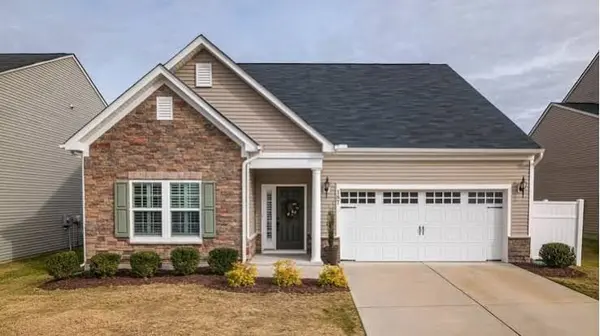
The garage door: do not overlook this. According to the 2025 Cost vs. Value Report, a new garage door costs around $4,672 and recoups 268% of project costs, the single highest ROI of any home improvement project for the second consecutive year. Why? Because the garage door often occupies 30–40% of a home's front facade. An old, dented, or worn garage door communicates "deferred maintenance" before a buyer has opened their car door. A new insulated steel door with carriage-house detailing changes the entire read of the front elevation. If your garage door is beyond its useful life, replace it before you list. The math is unambiguous.
Fresh exterior paint or pressure washing. If the full exterior doesn't need paint, a professional pressure wash of the siding, driveway, walkways, and roof line makes a home look dramatically cleaner and better maintained. Cost: $200–$500. Impact: significant. If the paint is peeling, faded, or dated in color, a full exterior repaint ($2,500–$6,000 depending on home size) is one of the highest-return projects you can do before listing.
Landscaping: simple, not elaborate. The NAR 2025 Remodeling Impact Report found that landscaping can offer an ROI of over 100%. You don't need a landscape architect. You need mowed grass, clean edges along walkways and beds, fresh mulch in the planting areas, trimmed shrubs, and removal of dead or overgrown plantings. Cost: $200–$800 in most cases if you use a lawn service. Impact: transforms how a home reads from the street.
The front door. A fresh coat of paint on the front door, or a full door replacement, delivers an outsized return on a small investment. Bold, clean colors (classic black, navy, deep red, olive green) photograph well and signal that a home has been cared for. New hardware (handle, lockset, knocker) in a coordinated finish completes the picture. Total cost: $50–$300 for paint and hardware. A new door: $1,500–$3,500 and worth considering if the current one is outdated or damaged.
Lighting. Updated exterior light fixtures, porch lights, carriage lights, and pathway lighting are inexpensive ($50–$150 per fixture) and dramatically improve both daytime curb appeal and the all-important evening drive-by. Many serious buyers drive through a neighborhood after dark to see how a home looks and feels in the evening. Warm, well-placed exterior lighting makes a home look welcoming and well-maintained.
Porch staging. A clean doormat, one or two quality planters with seasonal color, and updated house numbers ($25–$50 at any hardware store) complete a front porch presentation that photographs well and creates a positive first impression at the door.
4. Declutter, Depersonalize, and Deep Clean — In That Order
These three steps cost almost nothing and have an outsized impact on buyer perception. They are also the steps sellers most often resist, underestimate, or do incompletely.
Declutter first. NAR data consistently identifies decluttering as one of the highest-impact preparation steps. The standard guidance from top listing agents: remove 30–50% of what's in every room. This includes furniture, decorative items, books, countertop appliances, and anything in closets that makes them look stuffed. The goal is to show the space, not your stuff. Buyers are buying square footage and they need to be able to mentally inhabit your home, which is difficult when it's full of your life.
Renting a storage unit for the duration of your listing is one of the most worthwhile pre-listing expenses a seller can make. Cost: $80–$150/month. Value: substantial.
Depersonalize second. Family photos, personalized decor, religious items, political memorabilia, sports team displays, all of it comes down. This is not a judgment on your life; it's a marketing reality. Buyers need to picture themselves in the home. They cannot do that while looking at your family portraits. A neutralized, depersonalized home allows a broader range of buyers to emotionally connect with the space.
Deep clean last, meaning actually deep. This means baseboards, ceiling fans, window tracks, grout lines, inside cabinets and appliances, light switches, door frames, and every surface a buyer might touch or examine closely. A home that smells clean and looks spotless signals care and maintenance to buyers in a way that no amount of staging can replicate if the underlying cleanliness isn't there. Professional cleaning services run $200–$500 for a thorough pre-listing deep clean and are worth every dollar.
One specific note for Clarksville resale homes: crawlspace odors. If your home has a crawlspace, and most pre-2010 Clarksville homes do, make sure it's dry, vapor-barriered, and free of musty odors before you list. Crawlspace moisture is one of the most common inspection findings in Middle Tennessee, and buyers (and their agents) notice the smell the moment they open the access panel during a showing. A dry, clean crawlspace costs nothing if it's already in good shape, and proper remediation ($500–$3,000) is far less expensive than the negotiating leverage it hands to buyers who discover it.
5. Staging: The Most Underused Tool in the Seller's Playbook
Staging is not decorating. It's a marketing strategy rooted in buyer psychology, the deliberate arrangement of furniture and decor to show a home at its functional and visual best for a specific buyer audience.
The data on its effectiveness is consistent: 29% of agents report that staged homes receive offers 1–10% higher than comparable unstaged homes. 49% of sellers' agents say staging reduced time on market. On a $310,000 Clarksville home, a 5% premium is $15,500, from furniture arrangement and styling decisions that cost a fraction of that.
For occupied sellers (you're still living in the home while it's listed), staging means working with what you have: removing excess furniture, rearranging pieces to optimize flow and sight lines, adding neutral textiles (throw pillows, area rugs, fresh towels in bathrooms), and removing personal items. An experienced agent can walk through your home and identify the specific changes that will have the most impact. This is something I do for every seller I work with.
For vacant homes, professional staging becomes significantly more important. An empty home photographs poorly, feels cold at showings, and gives buyers no reference for scale or function. Vacant home staging, where a professional brings in furniture and decor, typically costs $1,500–$3,500 for the first month. In a market where vacant homes routinely sit longer than occupied ones, this investment frequently pays for itself in carrying cost savings alone.
The rooms that matter most: Focus staging energy on the living room (the first impression interior), the primary bedroom (emotional anchor for buyers), and the kitchen (functional centerpiece). Secondary bedrooms and utility spaces matter less.
6. The High-ROI Interior Updates Worth Doing Before Listing
Not every update is worth doing before you list. Some improvements, full kitchen remodels, bathroom additions, luxury flooring throughout, cost more than they return. Others are consistently worth the investment. Here's how to tell the difference:
The general rule: don't push your home above the neighborhood price ceiling. Spending $30,000 on updates in a $295,000 neighborhood doesn't make your home worth $325,000. It makes it the most expensive home in a neighborhood where buyers cap out at $295,000. Improvements should bring your home up to neighborhood standard, not above it.
Fresh interior paint is always worth it. NAR's 2025 Remodeling Impact Report found that 50% of realtors recommend painting the entire home before listing, and interior paint has one of the highest ROI of any pre-listing improvement. The key: neutral colors. Agreeable Gray (Sherwin-Williams), Accessible Beige, Pure White, and similar warm neutrals appeal to the broadest range of buyers and photograph well. Bold accent walls, dated two-tone schemes, and dark colors should be neutralized. Cost: $3,500–$8,000 for professional interior paint on a typical Clarksville home. ROI: consistently above 100%.
Flooring: targeted replacement over whole-home replacement. Worn, stained, or dated carpet in main living areas is a buyer objection. Replacing carpet in high-traffic areas such as the living room and primary bedroom with a neutral, mid-grade product costs $3–$6/sq ft installed and removes one of the most common buyer hesitations. If hardwood floors are present but worn, professional refinishing ($3–$5/sq ft) makes them look new for a fraction of replacement cost. What's not worth it: replacing perfectly functional flooring throughout the home with premium materials. Offer a flooring credit instead and let buyers choose their own.
Kitchen updates: minor refresh, not remodel. A full kitchen remodel rarely returns its cost at resale. Minor updates consistently do. The highest-impact kitchen improvements for sellers: paint or reface cabinet doors (rather than replace boxes), replace outdated hardware with modern pulls and knobs ($3–$8 each), update faucets and light fixtures, and deep clean everything including grout, inside cabinets, and appliances. New countertops in a kitchen with original laminate can be worth doing if the rest of the kitchen is in reasonable shape; a full gut renovation rarely pencils out.
Bathrooms: fixtures and surfaces. Replace dated light bars with modern fixtures, update faucets and cabinet hardware, recaulk around tubs and showers (cracked or discolored caulk photographs badly and signals neglect), and regrout tile if needed. These updates cost hundreds, not thousands, and remove buyer objections at the showing.
Light fixtures throughout. Outdated brass or builder-basic fixtures, globe lights, ceiling fans from 2003, and fluorescent kitchen lights are among the cheapest things to update and among the most noticeable. Modern matte black, brushed nickel, or warm brass fixtures ($50–$200 each) in main living areas and kitchen dramatically modernize a home's feel. This is one of my consistent recommendations for homes built in the 1990s and early 2000s.
7. Get Ahead of the Inspection: Pre-Listing Inspection Strategy
This is the move most sellers don't make, and it's one of the most strategically valuable things you can do to protect your deal and your timeline.
A pre-listing inspection ($350–$500) is a home inspection you order before your home goes on the market. You get the same report a buyer would get. Then you have choices:
Option A: Fix the issues before listing. Address the items you can like deferred maintenance, safety issues, or minor mechanical items before a buyer's inspector finds them. The home goes to market with fewer skeletons. Buyer inspections come back cleaner. Inspection negotiations are shorter and less contentious.
Option B: Price and disclose. For items you choose not to fix, disclose them in your seller's disclosure and price accordingly. Buyers who know what they're getting don't feel ambushed, and you've removed the "discovery" dynamic that kills deals after inspection.
What this prevents: one of the worst things to happen when selling a home is going under contract, investing 10–14 days of market time and both parties' attention, and then having the deal blow up over inspection findings that could have been addressed or disclosed upfront. A failed inspection negotiation sends your home back to market with elevated days-on-market and the question "what's wrong with it?" attached to your listing.
In Clarksville specifically, get your crawlspace inspected separately. Standard home inspectors vary in how thoroughly they evaluate crawlspaces. A dedicated crawlspace inspection ($100–$200) tells you definitively whether moisture, vapor barrier condition, or wood damage is present before a buyer's inspector finds it and uses it as a renegotiation lever.
8. Seller Concessions: The Smarter Alternative to a Price Cut
This is the most important strategic section in this guide and the most underused lever available to Clarksville sellers right now.
A concession and a price reduction are not the same thing, and confusing them is one of the most common mistakes I see sellers make.
A price reduction changes your list price permanently. Every buyer who sees your listing going forward sees the lower number. It signals that the market rejected your original price. It reduces your gross sale proceeds dollar for dollar. And it doesn't solve the problems that are actually keeping buyers from closing, mainly cash-to-close constraints and payment affordability.
A seller concession is a credit negotiated within a specific transaction typically applied toward a buyer's closing costs or used to fund a rate buydown. Your list price stays where it is. The concession doesn't appear on the public listing. And it solves the exact problems that are actually keeping buyers from writing offers on your home in today's market.
Here's why this matters so much right now: at 6.2%–6.5% interest rates, buyers are making purchase decisions heavily on monthly payment. Many qualified buyers have the income to handle the mortgage but are short on the cash needed to cover closing costs on top of a down payment. A $6,000–$10,000 seller concession toward closing costs doesn't change your list price, but it converts a buyer who couldn't quite make the math work into one who can.
Even more powerful: a rate buydown funded by seller concessions. If a seller offers $8,000 toward a 2-1 temporary buydown (Year 1 rate approximately 4.5%, Year 2 approximately 5.5%), the buyer's first-year monthly payment on a $310,000 loan drops by $250–$350/month. That's a meaningful change in monthly affordability — and it's funded by a concession that doesn't reduce your gross sale price.
The loan-type concession limits in 2026:
| Loan Type | Maximum Seller Concession |
|---|---|
| VA | All closing costs + up to 4% of sale price |
| FHA | Up to 6% of sale price |
| Conventional (10%+ down) | Up to 6% of sale price |
| Conventional (under 10% down) | Up to 3% of sale price |
| USDA | Up to 6% of sale price |
In Clarksville, where VA loans represent a significant share of transactions, the VA concession allowance is particularly powerful — sellers can cover all of a VA buyer's closing costs plus up to 4% of the purchase price in additional concessions. On a $310,000 sale, that's potentially $12,400+ in concessions that keep your list price intact while making the deal work for a buyer who might otherwise walk.
A concession is not remotely the same as a price cut. Use it like the tool it is.
9. Showing Access and Flexibility: The Invisible Barrier Killing Your Sale
This one doesn't get talked about enough because it feels like a logistics issue rather than a selling strategy issue. It's both.
Every restriction you place on showing access costs you buyers. Not hypothetically, literally. There are buyers who would have toured your home, liked it, and potentially made an offer, who instead scrolled to the next listing because your showing instructions were too complicated.
The most common showing access problems:
24-hour notice requirements. The most serious buyers in this market, VA buyers on PCS timelines and relocating families who have one weekend in town, operate with urgency. They find a listing they like, they want to see it today. A 24-hour notice requirement means they see something else today and may be under contract on it before your window opens. Same-day showings, confirmed within 2 hours, is the standard that keeps you competitive.
Restricted showing hours. "Available Monday–Friday 10am–4pm only" eliminates every working buyer who can only tour evenings and weekends. Those buyers are the majority of your market.
Sellers present during showings. I understand the impulse because it's your home and you want to answer questions. But buyers cannot relax, cannot have honest conversations with their agent, and cannot emotionally inhabit a home when the seller is present. Vacate for every showing, every time.
Pets. Dogs in the home during showings are a liability in two directions: buyers with allergies or fears, and the practical complication of managing animals during tours. Pets should be removed or crated and out of sight for every showing. Odors from pets, particularly in carpet, upholstery, and crawlspaces, are buyer objections that no staging or photography can fully address.
Lockbox placement. If a buyer's agent can't find your lockbox, or it's in a difficult-to-access location, showings simply don't happen. Make access easy, obvious, and frictionless.
The rule I give sellers: make your home feel like a model home that anyone can tour at any reasonable time with minimal friction. The easier it is to see your home, the more buyers see it. The more buyers see it, the faster it sells.
10. Marketing and Exposure: Is Your Home Actually Being Seen?
The MLS listing is the baseline. What happens beyond it separates active marketing from passive listing.
In today's market, where buyers are actively searching across multiple platforms, your home should have presence beyond Realtor.com and Zillow:
Video and virtual tours. The majority of serious buyers, and virtually all military/PCS buyers making remote decisions, want to see a home in motion before they commit to scheduling an in-person tour. A professional walkthrough video ($150–$300) or Matterport 3D virtual tour ($200–$400) dramatically expands your buyer pool to include out-of-market and remote buyers. In a military market like Clarksville, this is not optional.
Social media distribution. A listing that gets pushed through Facebook, Instagram, and YouTube with proper targeting reaches buyers who are not actively searching portals but are in the consideration phase. The Fort Campbell buyer who just got orders in April and hasn't started searching yet, they're on social media. A well-marketed listing finds them.
Targeted email outreach to active buyer pools. Experienced agents in active markets have lists of pre-approved buyers currently searching. A new listing that matches an active buyer's criteria should hit that buyer's inbox the day it goes live, not three days later when the algorithm surfaces it on Zillow.
Open houses used strategically. Open houses have limited value in some markets but genuine value in Clarksville's military buyer segment. Families on PCS weekend trips can cover multiple homes in a Saturday afternoon. A well-executed open house puts your home in front of multiple qualified buyers at once and creates social proof, meaning buyers who see other buyers interested respond differently than buyers who tour an empty home alone.
If your home has been sitting and you haven't had consistent showing volume, ask your agent specifically: where is this listing being marketed, who has been contacted about it, and what does our showing feedback say? Vague answers are a problem.
11. How to Think About All of This Together
Here's the framework I use when I'm working with a seller whose home hasn't moved:
First, diagnose before you treat. Pull the showing data. How many showings have you had? What's the feedback been? A home with no showings has a different problem (price or marketing) than a home with showings but no offers (presentation or condition) than a home with offers that fell through (condition discovered at inspection or deal structure).
Second, address the controllable variables before moving the price. Work through this checklist honestly:
- Are the photos professional?
- Is the home fully decluttered and depersonalized?
- Is curb appeal genuinely strong?
- Has the home been professionally cleaned?
- Are known maintenance issues addressed or disclosed?
- Is showing access fully open with no unnecessary restrictions?
- Has a concession strategy been considered?
- Is the home being actively marketed or passively listed?
If any of these boxes are unchecked, address them before moving the price.
Third, if you've done all of the above and the home still isn't producing offers, the price is the answer. A meaningful price reduction of 3–4%, not $1,000 or $2,500, repositioned in a new search tier, is the correct move at that point. Not before.
A price reduction on a home that hasn't been properly prepared just makes an uncompetitive listing cheaper. A price reduction on a home that's been fully prepared, properly photographed, staged, accessible, and actively marketed, that moves the needle because there's nothing else left for buyers to object to.
The order matters.
Want a Fresh Set of Eyes on Your Listing?
If your home has been sitting and you want an honest assessment of what's actually holding it back, not a sales pitch, just a straight read, I'm happy to walk through it with you.
Reach out here → 📞 931-802-9960 📧 hleproperties@gmail.com
Landon Castillo is a licensed REALTOR® with Real Broker LLC (TN License #356633) in Clarksville, Tennessee. He specializes in residential resale, VA buyers, first-time homebuyers, and PCS relocations. ROI data sourced from NAR's 2025 Remodeling Impact Report, the 2025 Cost vs. Value Report, Zillow, and HomeLight. Market conditions reflect Clarksville, TN mid-2026.
Related Reading:
- How Much Does It Cost to Buy a Home in Clarksville, TN?
- New Construction vs. Existing Homes in Clarksville, TN
- Is Now a Good Time to Buy in Clarksville, TN?
Categories
Recent Posts