Should I Rent or Buy in Clarksville, TN? (2026 Honest Guide)
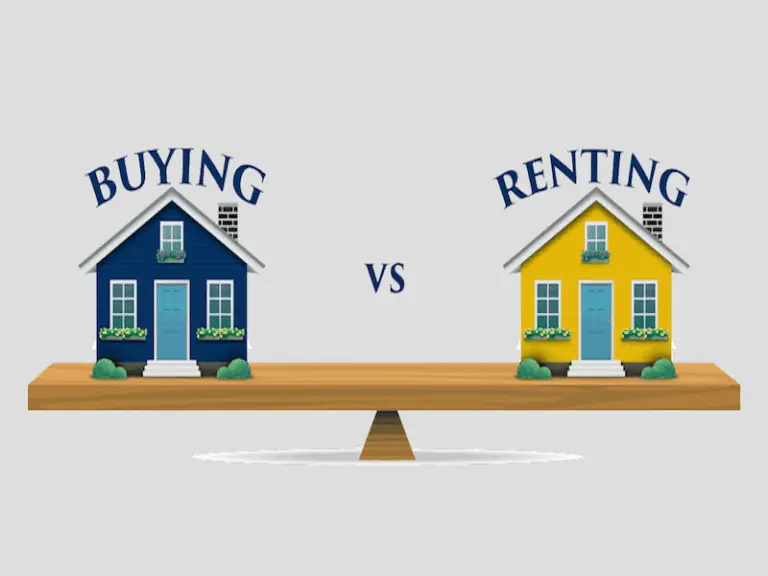
This is one of the most personal financial decisions you'll make, and it deserves a real answer, not a sales pitch from someone who only gets paid when you buy.
I've been in this market for 13 years. I've worked with hundreds of buyers and I've had an equal number of conversations with people who weren't ready to buy yet and needed to hear that clearly. So here's my honest take on the rent vs. buy question in Clarksville in 2026, built on real local numbers, not national averages, not hypotheticals, and not a conclusion that starts from a predetermined answer.
The short version: it depends on three things, how long you're staying, what your finances look like, and which loan type you have access to. By the end of this guide, you'll know exactly where you stand.
Table of Contents
- The Real Numbers: What Renting Costs in Clarksville Right Now
- The Real Numbers: What Buying Costs in Clarksville Right Now
- The Side-by-Side Comparison at Three Price Points
- The Break-Even Timeline: When Does Buying Actually Win?
- The Case for Renting in Clarksville Right Now
- The Case for Buying in Clarksville Right Now
- The VA Loan Changes Everything, Literally
- The Military Factor: PCS Timelines and the Rent-or-Buy Math
- What Renting Is Actually Costing You Over Time
- How to Know Which Answer Is Right for You
1. The Real Numbers: What Renting Costs in Clarksville Right Now
Let's start with what renters are actually paying in Clarksville in 2026, because the number varies significantly by unit type and neighborhood.
According to RentCafe's June 2026 market analysis, the average apartment rent in Clarksville is $1,257/month, with the majority of rentals (76%) falling between $1,001 and $1,500. Zumper's June 2026 data puts the average slightly higher at $1,395/month across all rental types, with houses averaging $1,650/month compared to $1,075/month for apartments.
Here's the breakdown by unit size:
| Unit Type | Average Monthly Rent |
|---|---|
| Studio | $800–$899 |
| 1 Bedroom | $995–$1,116 |
| 2 Bedroom | $1,128–$1,253 |
| 3 Bedroom | $1,519–$1,650 |
| Single-family house | $1,650 |
Clarksville rents are approximately 28–29% below the national average of $1,950–$1,995/month, a genuine affordability advantage for renters. The rental market has softened slightly from its 2023 peak, with prices down about 0.6% year-over-year. There is currently a healthy inventory of available rentals, which means renters have options and negotiating room on lease terms.
The most affordable rental areas are New Providence ($929/month for 1BR), Cumberland Hills ($1,045/month), and Downtown Clarksville ($1,095/month). The most expensive areas run $1,368/month for 1BR in Greenwood.
2. The Real Numbers: What Buying Costs in Clarksville Right Now
The median home sale price in Clarksville as of mid-2026 is approximately $315,000, according to Redfin's July 2026 data, with the broader range running from $308,000–$325,000 depending on the data source.
Here's what a monthly mortgage payment looks like at current rates across different scenarios:
Conventional loan (6.5% rate, 30-year fixed):
| Purchase Price | Down Payment | Loan Amount | Est. PITI* |
|---|---|---|---|
| $260,000 | 5% ($13,000) | $247,000 | ~$1,920/month |
| $315,000 | 5% ($15,750) | $299,250 | ~$2,320/month |
| $315,000 | 10% ($31,500) | $283,500 | ~$2,180/month |
| $315,000 | 20% ($63,000) | $252,000 | ~$1,880/month |
VA loan (6.25% rate, 0% down):
| Purchase Price | Down Payment | Loan Amount | Est. PITI* |
|---|---|---|---|
| $260,000 | $0 | $265,590 (incl. funding fee) | ~$1,970/month |
| $315,000 | $0 | $321,773 (incl. funding fee) | ~$2,390/month |
*PITI = Principal, Interest, Taxes, Insurance. Estimated based on Montgomery County combined in-city tax rate of $3.11/$100 assessed and average homeowners insurance of approximately $1,400/year.
The immediate takeaway: a buyer putting 20% down on a $315,000 home pays roughly $1,880/month, comparable to the upper end of Clarksville's rental range for a single-family house. A buyer putting 5% down pays roughly $2,320/month, meaningfully more than the average rental payment.
That monthly premium is the core of the rent vs. buy financial question. Whether paying it makes sense depends entirely on how long you stay.
3. The Side-by-Side Comparison at Three Price Points
Here's how the numbers align at three common Clarksville price points:
Scenario A: $260,000 home (North Clarksville / Tiny Town range)
| Renting | Buying (5% down, conventional) | Buying (VA, 0% down) | |
|---|---|---|---|
| Monthly payment | $1,257–$1,519 | ~$1,920 | ~$1,970 |
| Down payment / deposit | $1,500–$2,500 | $13,000 + closing costs | $0 + closing costs |
| Monthly premium to own | — | $400–$660/month | $450–$710/month |
| Equity building | None | ~$300/month principal | ~$290/month principal |
| Appreciation (3–5%/yr) | None | $650–$1,083/month | $650–$1,083/month |
Scenario B: $315,000 home (Mid-market, St. Bethlehem / Rossview)
| Renting (house) | Buying (5% down, conventional) | Buying (VA, 0% down) | |
|---|---|---|---|
| Monthly payment | $1,650 | ~$2,320 | ~$2,390 |
| Monthly premium to own | — | $670/month | $740/month |
| Equity + appreciation | None | ~$1,350–$1,900/month combined | ~$1,350–$1,900/month combined |
Scenario C: $425,000 home (Sango)
| Renting (comparable home) | Buying (10% down, conventional) | |
|---|---|---|
| Monthly payment | ~$2,000–$2,200 | ~$2,900 |
| Monthly premium to own | — | $700–$900/month |
| Equity + appreciation | None | ~$1,700–$2,550/month combined |
The pattern is consistent: buying costs more per month in the short term, and generates equity and appreciation in the long term. The break-even point, when the wealth-building from ownership outpaces the monthly premium you're paying, is the number that determines which path makes sense for your situation.
4. The Break-Even Timeline: When Does Buying Actually Win?
The break-even point is the month when your cumulative ownership benefits (equity built, appreciation captured, rent increases avoided) exceed your cumulative additional costs (down payment, closing costs, monthly premium over renting).
In Clarksville's current market, here's how that math plays out:
Key inputs:
- Home appreciation: 3–5% annually (Clarksville's historical range)
- Annual rent increase: 2–3% (current Clarksville trend)
- Closing costs: approximately 3% of purchase price
- Selling costs: approximately 6–8% of sale price when you eventually sell
At Clarksville's 3–5% appreciation rate:
A buyer purchasing a $315,000 home in Clarksville today with 5% down ($15,750) and $9,450 in closing costs ($25,200 total upfront) generates approximately:
- Principal paydown: ~$3,600/year in Year 1, increasing each year
- Appreciation at 3%: ~$9,450/year
- Appreciation at 5%: ~$15,750/year
Combined first-year equity build (principal + 3% appreciation): approximately $13,050. The monthly premium over renting at that price point is approximately $670/month, or $8,040/year.
At 3% appreciation, the equity buildup exceeds the monthly ownership premium by Year 1. The break-even on total upfront costs ($25,200) typically lands at 3–5 years in Clarksville's market — faster than the national average because of the combination of below-average home prices, consistent appreciation, and rising rents.
At 5% appreciation, break-even can come as early as 2–3 years.
The critical caveat: Selling costs (agent commissions, title fees) run 7–9% of the sale price. On a $315,000 home, that's $22,050–$28,350. If you buy and sell within 2 years, you likely won't break even regardless of appreciation. The 3–5 year timeline assumes you stay long enough to let appreciation and equity work in your favor AND cover selling costs.
The general rule:
- Under 2 years: Rent. Transaction costs make buying financially unfavorable.
- 2–3 years: Borderline. Depends heavily on appreciation and your specific upfront costs.
- 3–5 years: Buying starts winning, especially with Clarksville's appreciation rate.
- 5+ years: Buying almost always wins when home values are appreciating 3–5% annually.
5. The Case for Renting in Clarksville Right Now
Renting is the right answer in Clarksville for specific people in specific situations. Here's who they are:
You're on a short military assignment. If you have 12–18 months until your next PCS, renting is almost certainly the right call. The transaction costs of buying and selling within that window are too high to overcome, even in an appreciating market. The math is clear: 7–9% in selling costs on a $315,000 home is $22,000–$28,000. Clarksville's 3–5% annual appreciation adds $9,450–$15,750/year. You need at least 2–3 years for appreciation to cover selling costs, and you need more time on top of that to recover closing costs and the monthly ownership premium.
Your finances aren't ready. Buying a home with marginal credit, maximum debt-to-income, and no financial cushion is a mistake regardless of market conditions. If buying puts you at the edge of what you qualify for with nothing left over, rent until your position is stronger. A stretched homeowner who can't absorb a $3,000 HVAC repair or a period of unemployment is in a genuinely precarious position.
You value flexibility above stability. Remote workers who may relocate. Single individuals in career transition. People who genuinely don't know where they want to be in three years. Renting preserves your ability to move without a 90-day sale process and $22,000 in selling costs. That optionality has real value and shouldn't be dismissed.
You're new to the area and haven't decided where you want to live. Clarksville's neighborhoods are genuinely different, commute, schools, character, price point. Renting for 12 months to learn the city before committing to a specific area is a defensible strategy, particularly for families with school-age children where school zone choice matters.
Clarksville's rental market is currently favorable to renters. Rents are flat to slightly declining, inventory is reasonably healthy, and the leverage is with tenants right now. If you do rent, negotiate. Ask for 12 months at a locked rate. Ask for an early termination clause if you're military. Landlords in this market are more accommodating than they were in 2022–2023.
6. The Case for Buying in Clarksville Right Now
Here's who should be seriously considering buying in Clarksville in 2026:
You're staying 3+ years. This is the single most important variable. If you have reasonable confidence you'll be in Clarksville for at least three years, whether that's military stability, a civilian career anchor, family roots, or a deliberate lifestyle choice, the financial case for buying is strong. At Clarksville's 3–5% appreciation rate, three years of ownership on a $315,000 home produces $28,350–$47,250 in appreciation alone, before principal paydown.
You have a VA loan. I'll address this fully in section 7, but the VA loan eliminates the down payment barrier entirely. The calculus changes dramatically when you don't need $15,000–$63,000 in cash to get in the door.
You're comparing rent to rent. If you're currently renting a 3-bedroom house for $1,650/month and you can own a similar or better home for $1,880–$2,000/month (VA or 20% down scenario), the question becomes: is $230–$350/month extra worth the equity and appreciation you're building? Over five years, a $315,000 home appreciating at 4% grows in value by approximately $71,000. Plus you've paid down roughly $18,000 in principal. That's nearly $90,000 in wealth creation for $230–$350/month more than rent.
You want stability and control. No rent increases. No landlord deciding to sell or move back in. No restrictions on pets, paint colors, or modifications. Homeownership provides a stability and control that has real quality-of-life value that doesn't show up in spreadsheets.
The market currently favors buyers. With 3.95 months of supply, homes averaging 74–79 days on market, and 42% of listings having had at least one price reduction, buyers have more negotiating leverage than at any point in the last four years. Motivated sellers, realistic pricing, and achievable concessions toward closing costs are all features of the current Clarksville market.
7. The VA Loan Changes Everything, Literally
If you're an active-duty service member or veteran and you haven't internalized this yet, stop and read this section carefully.
The VA loan eliminates the single biggest barrier to homeownership for most buyers: the down payment. On a $315,000 home, a conventional buyer needs $15,750–$63,000 to get started (5–20% down plus closing costs). A VA buyer needs approximately $5,000–$8,000, primarily the appraisal, inspection, and prepaid insurance, and often less with negotiated seller concessions.
That's not a small difference. That's the difference between buying now and buying in 3–5 years after you've saved enough for a down payment.
Here's the rent vs. buy math specifically for a VA-eligible buyer in Clarksville in 2026:
Current rent (3BR house): $1,650/month VA loan payment (PITI on $315,000 at 6.25%): approximately $2,390/month Monthly premium to own: $740/month Cash required to close (before seller concessions): $6,000–$8,000
That $740/month premium buys you:
- ~$315/month in principal paydown (building equity you keep)
- ~$1,050–$1,313/month in appreciation at 3–5%/year
- No PMI (saves $130–$260/month vs. conventional with less than 20% down)
- No rent increases for the life of the loan
- A fixed payment that becomes more affordable as your income grows
The net result: the VA buyer paying $740/month more than rent is building approximately $1,365–$1,628/month in wealth. The renter is building zero.
One more layer: the 2026 BAH for an E-5 with dependents at Fort Campbell is approximately $1,815/month. That means a VA buyer at the $260,000–$285,000 price range can own a home with their entire mortgage payment covered by BAH, and use base pay for everything else. That's not a theoretical benefit. I've helped dozens of soldiers structure exactly this scenario.
For a deeper look at how VA loans work specifically for Fort Campbell buyers, read The Complete VA Home Loan Guide for Fort Campbell Buyers.
8. The Military Factor: PCS Timelines and the Rent-or-Buy Math
Fort Campbell creates a unique housing dynamic that civilian markets don't have, a large population of residents whose timelines are determined by the Army, not by their own preferences. That creates both challenges and opportunities in the rent vs. buy decision.
If you have 2 or fewer years remaining on your assignment: Renting is almost certainly the right answer. The transaction costs of buying and selling within 24 months are too high to recover even in an appreciating market.
If you have 3–4 years remaining: Buying deserves serious consideration, especially with a VA loan. Clarksville's 3–5% appreciation and below-average entry price make a 3-year ownership window financially workable. And when you PCS, you have options beyond selling: renting your home out is a legitimate and increasingly popular strategy among Fort Campbell veterans who want to keep the asset and build a rental portfolio.
The rent-it-out strategy: Many Fort Campbell buyers deliberately plan for the PCS scenario before they close. They buy in a neighborhood with strong rental demand (North Clarksville, Tiny Town, Rossview), set up a property management company, and convert the home to a rental when orders come. The math on this works well in Clarksville: if you own a $285,000 home free and clear of your VA loan, you can rent it for $1,600–$1,800/month while your new BAH covers housing at your next duty station. That's a legitimate path to building a real estate portfolio funded by military benefits.
If you're uncertain about your timeline: Be honest about it. A 24-month short tour has different math than a 4-year stabilization assignment. Plan for the shorter scenario when making your decision. The question to ask is: if I get orders in 18 months, can I cover the transaction costs or convert this to a rental without financial pain?
9. What Renting Is Actually Costing You Over Time
This isn't meant to pressure anyone into buying before they're ready. It's meant to make sure renters are calculating their total cost honestly, because most people only count what renting costs per month, not what it costs over time.
The five-year rent scenario in Clarksville:
If you rent a 3-bedroom house at $1,650/month with 3% annual rent increases:
| Year | Monthly Rent | Annual Rent |
|---|---|---|
| 2026 | $1,650 | $19,800 |
| 2027 | $1,700 | $20,400 |
| 2028 | $1,751 | $21,012 |
| 2029 | $1,804 | $21,648 |
| 2030 | $1,858 | $22,296 |
| 5-Year Total | $105,156 |
Over five years of renting, you've paid approximately $105,000 in housing costs. Your equity at the end: $0. Your ownership stake in anything: $0.
The five-year buy scenario on a $315,000 home (VA loan, 0% down):
| Component | 5-Year Value |
|---|---|
| Total mortgage payments | ~$143,400 |
| Principal paid down | ~$18,900 |
| Home value at 4% appreciation | ~$383,000 |
| Equity at year 5 | ~$77,000 |
| Net cost (payments minus equity) | ~$66,400 |
The buyer has paid approximately $38,400 more than the renter over five years ($143,400 vs. $105,156, though rising rents narrow this gap). But the buyer has $77,000 in equity. The renter has nothing.
Subtract: the buyer's net five-year housing cost is approximately $66,400 ($143,400 in payments minus $77,000 in equity). The renter's is $105,156.
The buyer came out $38,756 ahead over five years, despite higher monthly payments every single month.
This math changes if you move in Year 2 and pay selling costs. It changes if appreciation is lower. It changes dramatically with a down payment that could have been invested elsewhere. But in Clarksville's specific market, low entry price, consistent 3–5% appreciation, growing rental demand, the ownership math is compelling for buyers who plan to stay.
10. How to Know Which Answer Is Right for You
After 20+ years in real estate, here's the framework I walk buyers through when they ask me this question:
Step 1: Answer the timeline question honestly. Not optimistically. Not based on what you hope happens. How long are you actually confident you'll be in Clarksville? If the answer is less than 2 years, rent. If it's 3+, read on.
Step 2: Run your real financial picture. Do you have enough cash to close? VA buyers need $5,000–$8,000. Conventional buyers need 8–10% of the purchase price liquid. If you don't have it, renting while you build savings is the right answer, not because buying is wrong, but because buying from a position of financial stress is wrong.
Step 3: Know your credit and DTI position. Get a pre-approval before you decide. You might qualify for more than you think. Or you might need 6–12 months to clean up credit. The pre-approval tells you exactly where you stand without any obligation.
Step 4: Factor in your loan type. If you have VA eligibility and haven't used your full entitlement, the rent vs. buy math shifts significantly in buying's favor. The down payment barrier, the primary reason most people remain renters longer than they should, simply doesn't exist for you.
Step 5: Think about what you want your housing situation to do. Renting buys flexibility. Buying builds wealth and stability. Neither is universally right. But if you know you want roots, stability, and long-term wealth, and your timeline and finances support it, renting is just paying someone else's mortgage while yours waits.
The Honest Bottom Line
In Clarksville in 2026, renting makes sense if your timeline is short, your finances aren't ready, or you genuinely value mobility over stability.
Buying makes sense if you're staying 3+ years, you have or can get your finances in order, and especially if you have VA eligibility, in which case the case for buying is genuinely strong at almost any stable income level.
The one thing I'd push back on: treating "I'm not sure" as a reason to keep renting indefinitely. In a market growing at 3–5% per year, every year of delay on a $315,000 home costs approximately $9,450–$15,750 in appreciation you're not capturing. At some point, the cost of waiting exceeds the cost of moving forward with imperfect certainty.
If you want to run your specific numbers, your income, your loan type, your timeline, that's exactly the kind of conversation I have every week. No pressure. Just math.
Ready to Run the Numbers for Your Situation?
Start the conversation here → 📞 931-802-9960 📧 hleproperties@gmail.com
Landon Castillo is a licensed REALTOR® with Real Broker LLC (TN License #356633) in Clarksville, Tennessee. He specializes in VA buyers, first-time homebuyers, PCS relocations, and residential resale. Rent data sourced from RentCafe, Zumper, and Redfin as of June–July 2026. Home price data from Redfin July 2026. Mortgage payment estimates based on prevailing rates as of mid-2026 and are for illustrative purposes; consult a licensed lender for your specific scenario.
Related Reading:
- How Much Does It Cost to Buy a Home in Clarksville, TN?
- The Complete VA Home Loan Guide for Fort Campbell Buyers
- Is Now a Good Time to Buy in Clarksville, TN?
- How Do Property Taxes Work in Clarksville, TN?
Categories
Recent Posts