How Do Property Taxes Work in Clarksville, TN? (2026 Complete Guide)
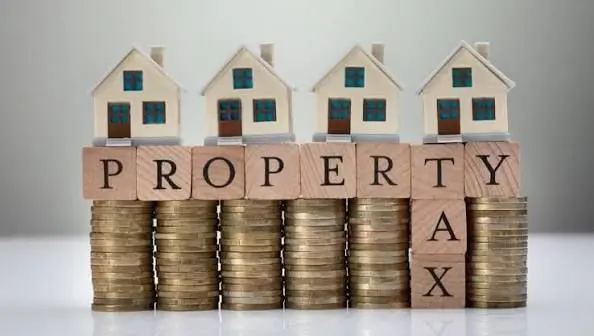
Property taxes are one of those things buyers ask about right before closing — when they really should have asked six months earlier. I've sat across from buyers at the closing table who were genuinely surprised by their monthly escrow estimate, not because we hadn't discussed it, but because the real mechanics of how Tennessee property taxes work had never been fully explained.
This guide is my attempt to prevent that uncomfortable conversation from happening again. Whether you're buying your first home in Clarksville, PCSing to Fort Campbell, or you've owned here for years and just want to understand what you're actually paying and why — I'm going to walk through the whole system: how the tax is calculated, what the current rates are, who pays city vs. county, what exemptions exist (including some major ones that many veterans don't know to claim), and what to do if you think your assessment is wrong.
There's also a breaking news item that affects every Clarksville homeowner right now, and I'll address that directly.
Table of Contents
- The Two-Part System: County Tax vs. City Tax
- How Your Property's Taxable Value Is Actually Calculated
- Running the Real Numbers: What a $325,000 Home Actually Owes
- The 2026 City Tax Increase: What Happened and What It Costs You
- How Clarksville Compares to the Rest of Tennessee
- When and How You Pay Your Property Tax Bill
- Exemptions and Relief Programs — Including the One Most Veterans Miss
- The Reappraisal Cycle: When and Why Your Value Can Jump
- How to Appeal Your Property Tax Assessment
- What Buyers Need to Know Before Closing
1. The Two-Part System: County Tax vs. City Tax
The first thing to understand about property taxes in Clarksville is that most homeowners pay two separate property tax bills — one to Montgomery County and one to the City of Clarksville — if their property falls within city limits.
If you live outside city limits in unincorporated Montgomery County, you pay only the county tax.
Here are the current rates for fiscal year 2026-27:
- Montgomery County rate: $2.10 per $100 of assessed value
- City of Clarksville rate: $1.01 per $100 of assessed value (just increased — more on this below)
- Combined rate (in-city): $3.11 per $100 of assessed value
These rates are applied to your assessed value — not your full market value. Tennessee uses a fractional assessment system, which I'll explain in detail in the next section.
Critical to note and worth restating, the rates above are per $100 of assessed value, not market value. So when you see "$3.11 per $100," that's not 3.11% of your home's price. The actual effective tax rate on market value for Clarksville homeowners runs approximately 0.75% once the 25% residential assessment ratio is factored in.
2. How Your Property's Taxable Value Is Actually Calculated
Tennessee has a two-step system for converting your home's market value into a tax bill, and most homeowners don't understand both steps. Here's exactly how it works:
Step 1: Appraisal (Market Value) The Montgomery County Assessor of Property establishes your home's appraised value — essentially what they believe your home would sell for in an open market. This is your starting number.
Step 2: Assessment (25% of Appraised Value) Tennessee law applies a fixed assessment ratio of 25% to residential property. Your assessed value is always 25% of your appraised value, regardless of market conditions. This is set by the Tennessee Constitution and state law — it's not negotiable and it's the same for every residential property in the state.
Example:
- Appraised value: $325,000
- Assessed value: $325,000 × 25% = $81,250
Step 3: Apply the Tax Rate The assessed value is then divided by 100 and multiplied by the applicable tax rate(s).
County tax only (outside city limits): $81,250 ÷ 100 × $2.10 = $1,706.25/year
County + City (inside Clarksville city limits): $81,250 ÷ 100 × $3.11 = $2,526.88/year
This calculation is consistent whether your home is worth $200,000 or $600,000 — the same ratios apply, just at different scale.
3. Running the Real Numbers: What a $325,000 Home Actually Owes
Let me run through several real-world scenarios so you can see how this lands for actual Clarksville buyers at different price points:
Scenario A: $260,000 home, outside city limits (county only)
- Assessed value: $65,000
- County tax: $65,000 ÷ 100 × $2.10 = $1,365/year | $113.75/month
Scenario B: $260,000 home, inside Clarksville city limits
- Assessed value: $65,000
- Combined tax: $65,000 ÷ 100 × $3.11 = $2,021.50/year | $168.46/month
Scenario C: $325,000 home, outside city limits
- Assessed value: $81,250
- County tax: $81,250 ÷ 100 × $2.10 = $1,706.25/year | $142.19/month
Scenario D: $325,000 home, inside Clarksville city limits
- Assessed value: $81,250
- Combined tax: $81,250 ÷ 100 × $3.11 = $2,526.88/year | $210.57/month
Scenario E: $425,000 home in Sango (typically outside city limits)
- Assessed value: $106,250
- County tax: $106,250 ÷ 100 × $2.10 = $2,231.25/year | $185.94/month
The city vs. county difference is significant. For the same $325,000 home, living inside city limits costs an additional $820/year in property taxes compared to an equivalent home outside city limits. That's $68/month — real money that should factor into your total housing budget.
When you're comparing homes in different zones — say, a $320,000 home near downtown vs. a $320,000 home in Sango — the property tax difference can be $700–$900/year, which changes how the monthly payments compare.
4. The 2026 City Tax Increase: What Happened and What It Costs You
This is the breaking news that affects every Clarksville homeowner right now, and you deserve a straight account of it.
In July 2026, after six specially called meetings and months of contentious debate, the Clarksville City Council approved the fiscal year 2026-27 budget with a 9-cent property tax rate increase — raising the city rate from $0.92 to $1.01 per $100 of assessed value, a 10% increase.
This was a significantly smaller increase than the city originally proposed. Mayor Joe Pitts initially requested a 31-cent increase, citing the city's rapid population growth and the increasing cost of providing services to a city that's grown from 167,000 to nearly 193,000 residents in six years. The council rejected multiple versions of the budget — with proposed increases of 31 cents, 24 cents, 15 cents, and 11 cents — before landing on the final 9-cent compromise. Even then, the final vote was close.
What does 9 cents mean for your wallet?
The additional city tax burden on a $325,000 home (assessed at $81,250) is: $81,250 ÷ 100 × $0.09 = $73.13/year | ~$6.09/month
Mayor Pitts put it plainly: the increase works out to "about $9 to $10 more per month for many homeowners." That figure applies to homes closer to the city's median value.
Why it happened matters for buyers to understand. Clarksville is growing faster than its tax base can sustain services at current rates. New roads, drainage infrastructure (neighborhood flooding was a top issue in the budget debate), emergency services, parks, and CMCSS schools all require revenue. The city cut budget items across nearly every department — road maintenance, HR, legal, IT upgrades — and still needed the increase to fund basic operations.
This is almost certainly not the last property tax conversation Clarksville will have. A city adding 3,500+ residents per year, building new schools, and expanding infrastructure is a city with rising service costs. Buyers should factor a modest upward trend in property taxes into their long-term budget planning.
The county rate ($2.10) has not changed for the current fiscal year.
5. How Clarksville Compares to the Rest of Tennessee
Context matters here. Before anyone panics about the recent city rate increase, let's look at where Clarksville sits in the broader Tennessee landscape.
Effective property tax rate (as a % of market value):
- Clarksville (city limits): ~0.75% effective rate
- Clarksville (county only): ~0.65% effective rate
- Tennessee state median: 0.54–0.55%
- National average: 0.91%
- Nashville (Davidson County): Lower effective rate, but dramatically higher home values
Combined city/county rates across Tennessee's major cities (2026):
| City | Combined Rate (per $100 assessed) |
|---|---|
| Memphis | Highest among major TN cities |
| Chattanooga | Above Clarksville |
| Clarksville | $3.11 |
| Murfreesboro | Below Clarksville post-increase |
| Nashville | Lower combined rate |
Clarksville's effective tax rate sits above the Tennessee state average but meaningfully below the national average. Combined with Tennessee's zero state income tax — a real financial advantage over nearly every neighboring state — the total tax burden for Clarksville homeowners remains competitive by any national measure.
The median annual property tax bill in Clarksville is approximately $2,132 — below both the Tennessee state median (~$2,400) and the national median (~$2,400). Bills vary by zip code: the 37042 zip code carries a median bill around $1,949, while 37043 (which includes Sango and areas near the Rossview school cluster) runs closer to $2,548, primarily due to differences in school district levies and local assessment districts.
The real comparison that matters: A home priced identically in Nashville costs dramatically more in absolute dollars — a $325,000 Clarksville home is paying about $2,100–$2,500/year in property taxes, while a comparable home in Nashville (if one existed at that price point, which it largely doesn't) would carry similar rates. But Nashville's median home is $491,000, so the actual tax bill is structurally higher. Clarksville's affordability advantage is real even after factoring in its above-average effective rate.
6. When and How You Pay Your Property Tax Bill
Tennessee's property tax calendar works differently than many buyers expect, especially those coming from states where taxes are paid in arrears throughout the year.
The basic timeline:
- Property taxes in Tennessee are assessed as of January 1 of each tax year
- Tax bills are mailed in October of the assessment year
- Bills are due by February 28 of the following year
- Taxes become delinquent March 1, at which point interest begins accruing at 1.5% per month (18% annually)
So the taxes that become payable in October 2026 are for the 2026 calendar year — the bill arrives in fall and is due by late February.
If you have a mortgage with escrow: Your lender handles this. They collect 1/12 of your estimated annual property tax with each monthly mortgage payment and pay the bill when it comes due. This is the standard setup for most conventional, VA, and FHA mortgages. You'll see your escrow account detailed on your monthly statement.
If you own free and clear or have a non-escrow mortgage: You're responsible for tracking the bill and paying it directly. Bills go to Montgomery County Trustee (for county taxes) and City of Clarksville Finance & Revenue Department (for city taxes) separately.
Payment options:
- In person at Veterans Plaza, 350 Pageant Lane, Clarksville, TN 37040 (County Trustee)
- Online through the county's payment portal
- By mail: P.O. Box 928, Clarksville, TN 37041 (City)
- Phone: County Trustee at (931) 648-5717; City Finance at (931) 645-7436
What happens if you're late: After March 1, the 1.5% monthly interest clock starts. After taxes have been delinquent for a full year, the City of Clarksville refers unpaid accounts to the Delinquent Tax Attorney, at which point additional legal fees apply and a lien process begins. Don't let it get there.
7. Exemptions and Relief Programs — Including the One Most Veterans Miss
Tennessee doesn't offer a blanket homestead exemption that reduces every homeowner's property tax bill the way some states do. What it offers instead are targeted relief programs — and several of them are significant.
Program 1: Disabled Veteran Property Tax Relief This is the one most Fort Campbell veterans either don't know about or incorrectly assume they don't qualify for. Here's the straight version:
If you are a veteran with a 100% service-connected permanent and total disability rating from the VA, Tennessee will pay the property taxes on the first $175,000 of your home's appraised market value. A new law (SB 1798) raises that cap to $200,000 effective July 1, 2026 for the 2026 tax year.
On a $325,000 home at the current combined rate:
- Tax relief on first $200,000 of value: ($200,000 × 25%) ÷ 100 × $3.11 = $1,555/year in relief
- Tax on the remaining $125,000: ($125,000 × 25%) ÷ 100 × $3.11 = $971.88/year
- Net annual tax bill: $971.88 instead of $2,526.88 — a saving of $1,555/year
Also eligible: veterans declared totally and permanently disabled from wounds received in action, and surviving spouses of qualifying veterans who have not remarried.
You must own and use the property as your primary residence. Apply through the Montgomery County Trustee's office. The deadline is April 2 annually.
If you have a 100% service-connected disability rating and you own a home in Clarksville and you haven't applied for this relief, call the Trustee's office at (931) 648-5717 this week. This is money the state owes you.
Program 2: Elderly and Disabled Homeowner Tax Relief For homeowners 65 or older, or those with a total and permanent disability, Tennessee reimburses a portion of property taxes paid — provided your combined household income from all sources falls below the income limit (for 2026, approximately $38,470).
The relief is calculated on the first $27,000 of assessed value. For 2025 taxes, the combined state and county reimbursement was $272. It's a modest amount but worth claiming if you qualify. Apply annually through the County Trustee's office before April 2.
Program 3: Property Tax Freeze (Local Option) Montgomery County has adopted a Tax Freeze program for qualifying seniors and disabled homeowners. This program freezes your assessed value at the current level — meaning even if your property value increases during the next reappraisal cycle, your taxable value stays locked. Combined with the Tax Relief reimbursement, this can effectively eliminate most of a qualifying senior's property tax burden over time.
Important note: Tennessee has no general homestead exemption that reduces property taxes for all homeowners simply because they occupy the property. If you've heard there's a standard homestead exemption in Tennessee, that refers to a creditor protection provision in Tennessee law (protecting up to $5,000–$7,500 of home equity from creditors) — not a property tax reduction. Don't confuse the two.
8. The Reappraisal Cycle: When and Why Your Value Can Jump
Tennessee law requires counties to reappraise all property on a four-, five-, or six-year cycle. Montgomery County operates on a five-year reappraisal cycle.
Here's what that means practically:
During the first four years of the cycle, your assessed value stays fixed (unless there's a physical change to the property — an addition, demolition, or significant improvement). Year five is the full reappraisal year, when the Assessor's office conducts a thorough market analysis and updates all values to reflect current market conditions.
The revenue-neutral protection: When a reappraisal year produces higher assessed values across the county (as it almost certainly will given Clarksville's 3–5% annual appreciation), state law requires the county to calculate a certified tax rate that produces the same total revenue as before. This prevents the county from receiving an automatic windfall from rising values. The County Commission then votes on whether to adopt the certified rate or set a higher one.
In practice, this means individual tax bills can still change dramatically in a reappraisal year — your specific property might be reassessed higher or lower than the county average — but the system is designed to keep total county revenue roughly stable at the certified rate, with the Commission actively deciding whether to collect more.
Why this matters for Clarksville buyers in 2026: If you bought your home in the last one to three years at today's prices, your assessed value will already reflect current market value. If you inherited a home or have owned for many years without a reappraisal, your next reappraisal cycle could produce a significant jump in assessed value — and with it, a higher tax bill.
Knowing when the next Montgomery County reappraisal is scheduled (contact the Assessor's office at (931) 648-5709 to confirm the current cycle) helps you anticipate and budget for potential changes.
9. How to Appeal Your Property Tax Assessment
If you believe your assessed value doesn't accurately reflect your property's true market value, you have a right to appeal. In a market where homes sell for a wide range of prices depending on condition, location, and specific characteristics, assessments don't always land correctly — and appealing is worth doing if you have evidence on your side.
The four-level appeal process in Tennessee:
Level 1: Informal Review with the County Assessor Before filing a formal appeal, you can contact the Montgomery County Assessor's office directly and request an informal review. This is the fastest path if the issue is straightforward — a data error in the property record (wrong square footage, wrong number of bathrooms, incorrect lot size) that can be corrected quickly. Call (931) 648-5709 or visit in person at 350 Pageant Lane, Suite 101-C.
Level 2: County Board of Equalization (formal appeal) The County Board of Equalization is the formal first level of appeal. It consists of five property owners from across Montgomery County who hear complaints about assessment, classification, and valuation. You must file before the deadline — May 31 for most tax years. You can appear in person, have a family member appear on your behalf, or have an attorney or authorized agent represent you.
What wins at the Board: comparable sales data. Find three to five properties similar to yours (same neighborhood, similar size, condition, and features) that sold in the relevant market period for less than your assessed value suggests. That's your evidence. The Board is looking at market value, not your personal opinion of what your house is worth.
Level 3: State Board of Equalization If you're unsatisfied with the County Board's decision, you can appeal to the Tennessee State Board of Equalization. Most appeals are resolved at the county level, but the state level is available. Most Tennessee property tax appeals are resolved within 60–120 days of filing.
Level 4: Chancery or Circuit Court Judicial review is the final option. A taxpayer must file within 60 days of the State Board's final order. This is typically reserved for larger commercial property disputes — not most residential cases.
My practical advice: If you're a new buyer whose assessment jumps significantly above your purchase price, that's worth a call to the Assessor's office. Your recent arms-length sale price is the single strongest piece of evidence of market value — it's literally what the market said your house was worth. If the assessed value comes in meaningfully above what you paid, ask for a review and bring your closing disclosure.
10. What Buyers Need to Know Before Closing
If you're in the process of buying a home in Clarksville, here's how property taxes show up in your transaction and what to watch for:
Property taxes are prorated at closing. Since the seller owned the home for part of the tax year and you'll own it for the rest, closing involves a proration — the seller credits you for the portion of the year they owned the home. In Tennessee, where the tax bill doesn't arrive until October and covers the current year, this proration is typically calculated based on the prior year's tax bill as an estimate.
Your lender will set up an escrow account. Most mortgages require escrow for property taxes and homeowners insurance. Your lender will collect approximately two to three months of estimated property taxes at closing as an initial escrow deposit, then continue collecting 1/12 of the annual estimate with each monthly payment. If your actual tax bill comes in higher than estimated, you may receive an escrow shortage notice the following year — meaning your monthly payment adjusts upward.
City limits matters — know which side you're on. As we covered, a home inside Clarksville city limits pays both county and city taxes; a home outside city limits pays only county tax. The difference on a $325,000 home is roughly $820/year (at current combined rates vs. county-only). When you're comparing homes at similar price points in different areas, ask specifically whether each property falls inside or outside city limits. I look this up for every buyer I work with.
New construction assessment timing. If you buy a newly constructed home, the initial property tax assessment may be based on the land value only until the structure is assessed in the next cycle. This can make the first year's tax bill misleadingly low — and the following year's bill a genuine surprise. Ask your lender to estimate taxes based on the full expected assessed value (appraised price × 25%), not just the land assessment.
The tax rate can change. As we just saw with the 2026-27 budget, city tax rates can and do adjust. When your lender estimates your monthly escrow payment, they're using current rates. Build a small buffer into your budget — particularly if you're buying in city limits — for the possibility that rates adjust in future years.
Use the Montgomery County tax calculator. The official calculator is available at montgomerytn.gov/assessor/property-tax-and-proration-calculators. Put in the appraised value of any home you're considering, indicate whether it's in city limits, and get an accurate estimate before you make an offer.
The Bottom Line on Clarksville Property Taxes
Here's the simple version for anyone who just skimmed to the end:
- County rate: $2.10 per $100 of assessed value
- City rate (just increased): $1.01 per $100 of assessed value
- Combined in-city: $3.11 per $100 of assessed value
- How assessed value works: 25% of your home's appraised market value
- Effective rate (in-city): Approximately 0.75% of home's market value
- On a $325,000 home in city limits: Approximately $2,500–$2,530/year | ~$210/month
- On a $325,000 home outside city limits: Approximately $1,700/year | ~$142/month
- 100% disabled veteran? You likely qualify for significant relief — call the County Trustee at (931) 648-5717
Clarksville property taxes are not the lowest in Tennessee, but they're well below the national average and combined with zero state income tax, the total tax picture here is genuinely competitive. Knowing the system — how values are set, when they can change, what exemptions you qualify for, and when to push back — puts you in a stronger position as a homeowner.
Questions About Your Specific Property's Tax Situation?
I run these numbers for every buyer I work with before we make an offer. Knowing your estimated annual property tax — and how it affects your real monthly payment — is part of making a confident buying decision, not an afterthought.
Reach out here → 📞 931-802-9960 📧 hleproperties@gmail.com
Landon Castillo is a licensed REALTOR® with Real Broker LLC (TN License #356633) in Clarksville, Tennessee. He specializes in VA buyers, first-time homebuyers, PCS relocations, and residential resale. Tax rates, exemption amounts, and program details are based on publicly available sources current as of July 2026. Always verify current rates and eligibility with the Montgomery County Assessor's office, the County Trustee, or a licensed tax professional before making financial decisions.
Key contacts:
- Montgomery County Assessor: (931) 648-5709 | 350 Pageant Lane, Suite 101-C, Clarksville, TN 37040
- Montgomery County Trustee: (931) 648-5717 | 350 Pageant Lane, Clarksville, TN 37040
- City of Clarksville Finance & Revenue: (931) 645-7436
Related Reading:
Categories
Recent Posts